


The country’s retail sector, led by the retail giants, is undergoing a multi-billion transformation and prioritizing experiential retail.
In a recent press briefing, CBRE Philippines head of transaction management and retail Maam Argos, says Ayala Land, Robinsons, and SM Prime Holdings are leading the transformation and are no longer focused on adding square footage. “The goal is to increase dwell time. By introducing premium dining, wellness centers, and luxury cinemas, developers aim to keep consumers in malls longer to drive higher spending,” Argos explains.
Further, Argos describes the Philippine dining landscape moving beyond simple “post-pandemic recovery” into a high-stakes era of intentionality and lifestyle integration. As major developers pivot toward retail-centric mixed-use spaces, dining has become the “anchor tenant” that replaces the traditional office-driven foot traffic.
According to CBRE data, food and Beverage (FnB) dominated new openings at 52 percent, followed by apparel at 26 percent. Notable new entrants include brands like the Australian brand Anko, Alo and Golden Goose.
Developers are no longer just collecting rent; they are “skin in the game” partners. By taking equity stakes in brands (like Ayala’s investment in Anko or curated F&B concepts), they control the quality and vibe of the development.
One of the growth drivers of the retail and dining experience are members of generation Z because they are spending a significant portion of their disposable income on lifestyle drinking a famous but controversial coffee brand.
Meanwhile, the real estate investment trusts (REITs) are being propped up by strong retail performance rather than office rentals. “Developers are moving away from heavy office portfolios. In some new developments, office space only accounts for 5 percent–10 percent, while the rest is dedicated to retail and lifestyle,” says Argos.
TBG on a roll
The Bistro Group (TBG) has become one of the beneficiaries in the growth of the local dining landscape.
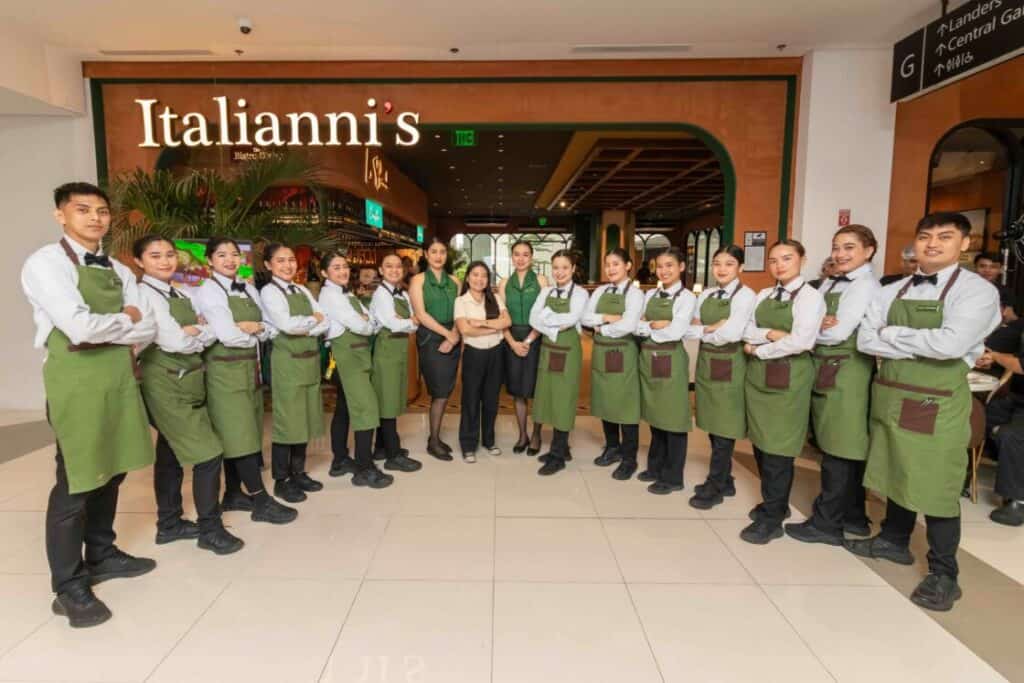
It recently opened its 39th branch at the ground floor at Ayala Malls Vermosa.
Italianni’s has grown from a single international franchise in the 1990s to one of the most recognizable casual dining brands in the Philippines. The growth of Italianni’s could be traced in how “American-Italian” hospitality can be successfully localized for the Filipino market.
Originally a concept developed in 1991 by Carlson Restaurants, the same parent company of TGI Fridays, Italianni’s entered the local dining scene in 1996. The first branch opened in Makati City.
At the time, Italianni’s faced the challenges of the Filipinos’ fascination with sweet, “local-style” spaghetti. Nonetheless, Italianni’s remained unfazed and introduced a more authentic, upscale Italian-American experience that emphasized shared dining and large portions.
TBG weathered the 1997 Asian financial crisis by focusing on service quality and staff training.
Italianni’s beefed up its presence in major Ayala and SM malls, positioning itself as a “premium” but accessible choice for families and business lunches.
Furthermore, TBG branched out expanding to key regional hubs like Davao, Cebu, Bacolod, and Pampanga.

Building a local concept
TBG’s aggressive expansion serves as a case study for 2026. While they have historically relied on Western franchises (TGI Fridays, Denny’s), they are now pivoting to homegrown “Plus” concepts.
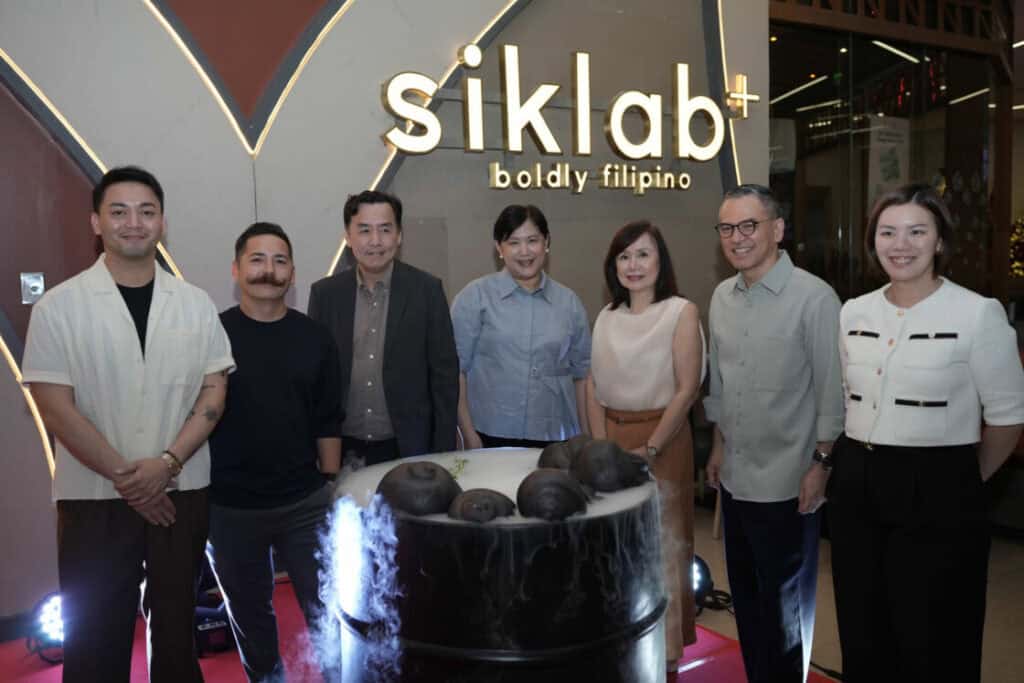
Guia Abuel, TBG Chief operating officer, tells reporters in a recent interview that the launch of Siklab+ (their Filipino food brand) shows that even major groups realize the market is moving toward elevated authenticity. By applying Western operational rigor to local flavors, they are capturing the “Balikbayan” and “Gen Z Heritage” markets.
While TBG’s portfolio boasts an impressive global spread—spanning American, Italian, and Japanese cuisines—a distinct local concept remains the “missing piece” of their culinary puzzle. Observing the success of competitors, it recognized a significant market opportunity that we were uniquely positioned to fill.
By taking the foundation of the original Siklab and elevating it with refined flavors and modern service, TBG created a “plus” experience that finally brings an authentic Filipino heart to their diverse international lineup.
“In a short time, Siklab has resonated deeply with guests who are looking for bold yet familiar Filipino food. The brand has become a key driver of Bistro’s growth, reflecting both the strength of the concept and the growing appetite for proudly local flavors. With the consistent support from our guests, we are excited to build on Siklab’s momentum and make it more accessible,” says Abuel in a press interview during the opening of its latest branch at S’ Maison mall.
“Our biggest branch is more than just a restaurant. It is where Filipino food brings people together, sharing precious experiences, in a spacious and welcoming ambiance.”
Further, Siklab will also open branches in the first quarter of 2026 in Park Triangle in BGC, Vermosa in Cavite and at Evia Lifestyle Mall in Las Piñas.
The article was originally published in Business Mirror and written by Rizal Raoul Reyes.
If you like this article, share it on social media by clicking any of the icons below.
About Post Author





More Stories
Vista Residences Ready-to-Move Deals: High-Rise Homes for RFO Buyers and Investors
Developer financing props up condo market, analysts say
Anko boosts presence in local retail sector