

The Philippine retail market is entering a new phase of expansion as major international brands increasingly look beyond Metro Manila, with provincial malls emerging as the next major battleground for fashion, food and beverage, and lifestyle concepts, according to CBRE Philippines.
CBRE’s second-quarter 2026 Market Monitor found that the country’s retail growth story is increasingly being driven by the provinces, as global brands expand their footprints and developers compete to secure tenants capable of generating sustained foot traffic and customer spending.
The shift is particularly evident in fashion and coffee, two categories where international brands are pursuing aggressive expansion programs.
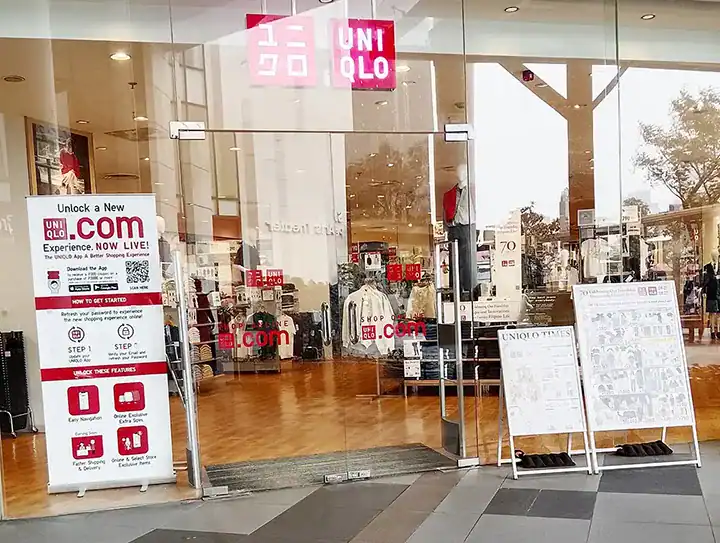
“Retail growth is in the provinces, not Manila,” CBRE said in its halftime assessment of the 2026 market. The property consultancy noted that major brands, including Uniqlo and coffee chains, are expanding their provincial presence.
For provincial mall operators, CBRE said the opportunity is to build the right-sized retail spaces and work closely with master franchise groups. Securing a major brand early could also provide a competitive advantage, as the first mall to land a brand may retain that tenant for years.
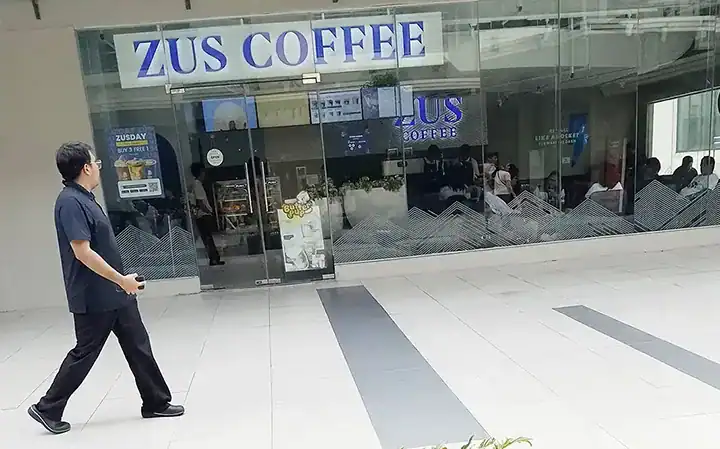
Coffee is emerging as one of the most active segments in the Philippine retail market, with established operators pursuing aggressive expansion while new international players enter the country.
CBRE said major coffee brands are targeting between 700 and 800 or more new sites, while Korean and Chinese entrants are also preparing to expand, largely through rapid, saturation-driven rollouts. The consultancy sees considerable room for growth because Philippine per-capita coffee consumption remains below levels in Vietnam, Thailand and Malaysia.
Among the international brands highlighted by CBRE are Malaysia’s ZUS Coffee, Indonesia’s Tomoro Coffee, China’s Luckin Coffee and Cotti Coffee, South Korea’s Compose Coffee and The Venti, and Japan’s Key Coffee.
CBRE said the coffee category can continue to grow even as individual stores experience churn. For property developers, coffee shops also have a strategic role beyond rental income as they can help activate retail strips during traditionally weak weekday mornings and midday periods.
The consultancy estimates that 15 to 20 customer visits per month can help bring life to slow dayparts. Large chains tend to generate traffic through grab-and-go formats, while smaller, more distinctive operators encourage longer dwell times.
The fashion market is also undergoing a significant transformation, with Filipino consumers showing a strong preference for global value-fashion brands.
The contrast between global and local retailers is particularly striking. Uniqlo has 81 Philippine stores and a 9.4-percent market share, while local brand Bench has 678 stores but a 1.2-percent share, according to the CBRE presentation.
Bistro Group expanding its international-brand portfolio.
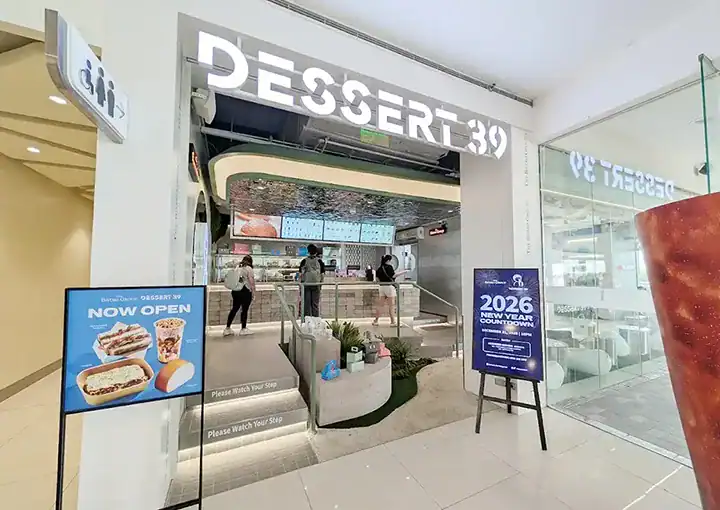
Dessert39, among The Bistro Group’s recent successful launches alongside Morton’s, Fogo de Chao and Dave & Buster’s, is particularly interesting because it combines sKorean café/dessert branding, health-conscious beverages, grab-and-go products, Filipinized savory dishes mall-based expansion, and an established Korean store network of 700+ outlets.
Furthermore,Dessert 39 is expanding its offering in the Philippines, adding savory meals to its signature lineup of desserts and beverages as it builds a broader presence in the country’s competitive café market.
The brand opened its first Philippine outlet in December 2025, bringing its combination of Korean-inspired desserts, beverages and grab-and-go offerings to Filipino consumers.
It also launched the brand’s K-Combo, which pairs Korean beverages with savory bites as part of its value-oriented offering. The strategy gives Dessert 39 more opportunities to capture different dayparts and consumer occasions—from snacks and coffee breaks to lunch and casual meals.
Dessert 39’s Korean operation has continued to roll out new products throughout 2026, including ube-based desserts, watermelon drinks, cup bingsu, matcha products, pistachio offerings and specialty breads. In July alone, the brand launched a jalapeño cheese sausage salt bread, chocolate four roll cake and traditional misugaru made from 12 grains.
The Korean brand says it has distributed certified reusable tumblers and reports that more than 8.6 million single-use cups have been avoided through its reusable-cup program.
The article was originally published in Business Mirror and written by Rizal Raoul Reyes.
If you like this article, share it on social media by clicking any of the icons below.
About Post Author





More Stories
Camella Honors GenSan Heritage and Homegrown Spirit at Tuna Festival 2026
Gabriel Formoso named National Artist for Architecture
Makati: The city that is learning to walk again