

METRO MANILA’S residential property market remains on the path to recovery, but progress continues to be uneven across segments. Elevated vacancies, a substantial volume of unsold inventory, and regulatory bottlenecks are tempering the pace of improvement. Despite these challenges, demand has remained resilient, particularly in the economic and affordable housing segments, underscoring the continued need for accessible residential products in a market grappling with affordability concerns.
Colliers Philippines believes the residential sector’s recovery story is no longer merely about generating demand. Instead, it is increasingly about ensuring that supply reaches the market efficiently and aligns with the needs and purchasing power of Filipino homebuyers.
AFFORDABLE HOUSING CARRIES THE MARKET
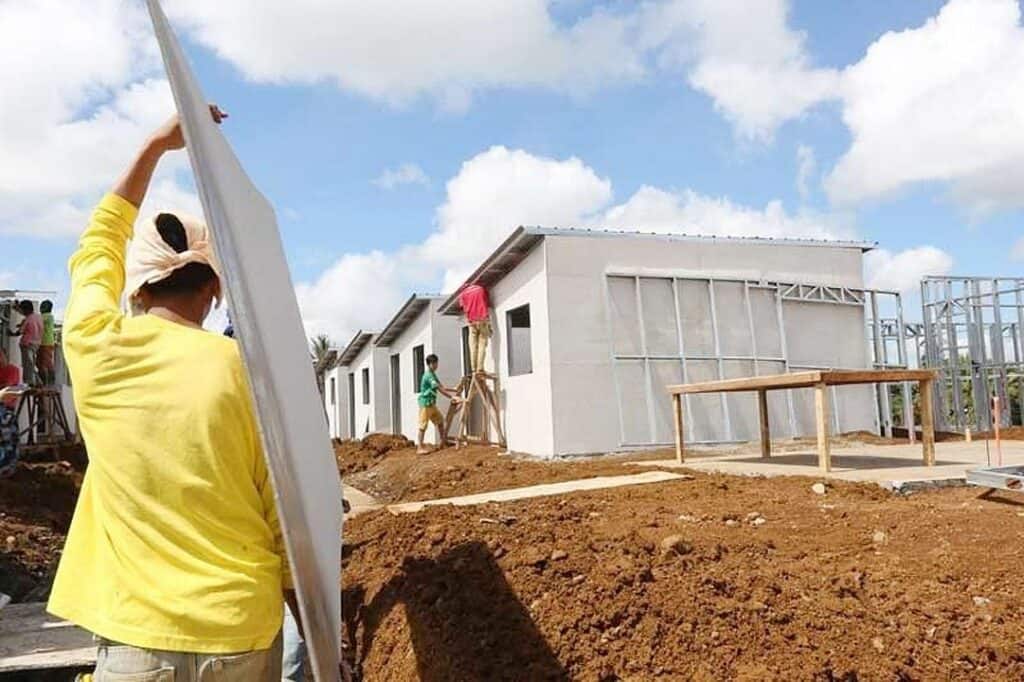
The strongest source of demand in the first half of 2026 came from residential projects priced between P1.8 million and P3.6 million. Economic and affordable housing projects accounted for a growing share of condominium take-up, reflecting buyers’ increasing sensitivity to pricing and financing costs.
Government support has played a crucial role in this trend. Programs such as the Pambansang Pabahay para sa Pilipino, or 4PH, initiative, along with Pag-IBIG Fund’s lower mortgage rates and higher loan limits, have expanded access to homeownership and stimulated demand among first-time buyers and end-users. These measures have helped offset the effects of elevated interest rates and economic uncertainty.
DEVELOPERS BECOME MORE SELECTIVE
While demand exists, developers remain cautious. Metro Manila continues to contend with a significant inventory overhang, including a large stock of ready-for-occupancy units on the peripheries of major business hubs. Faced with this reality, many developers have shifted their focus from launching new projects to clearing existing inventory and preserving margins. The lease-to-own model has become an attractive option for moving unsold inventory.
Project launches and completions have remained subdued, with only one residential condominium project completed during the second quarter.
Construction cost pressures, geopolitical uncertainties, and concerns over unsold inventory have contributed to a more measured development environment.
EX-METRO MANILA MARKETS GAIN GROUND
As Metro Manila developers become more selective, residential growth opportunities outside the capital continue to expand. Key markets such as Cavite, Laguna, Batangas, Pampanga, Bulacan, Cebu, Iloilo, Davao, and Negros Occidental are posting strong take-up rates for both horizontal and vertical developments.
Leisure-oriented and resort-style projects are also attracting substantial buyer interest. Demand for developments in tourist destinations such as Batangas, Boracay, Palawan, Bohol, Cebu, and Davao indicates that investors and end-users are increasingly looking beyond Metro Manila for lifestyle and investment opportunities.
BUILDING A MORE INCLUSIVE HOUSING MARKET
Ultimately, the Philippine residential market is not suffering from a lack of demand. What it needs is a more coordinated effort to deliver housing more efficiently, improve affordability, and expand opportunities beyond Metro Manila.
Colliers Philippines believes the path forward is clear: accelerate approvals, strengthen public-private collaboration, support affordable housing, and continue developing emerging regional markets. By doing so, the sector can move beyond inventory challenges and vacancy pressures toward a more balanced, inclusive, and sustainable housing market capable of supporting long-term economic growth.
In key areas outside Metro Manila, demand is waiting. The challenge now is ensuring that supply can move quickly enough to meet it. A strong public-private partnership is crucial to meeting that demand.
The article was originally published in Business World and written by Joey Roi Bondoc.
If you like this article, share it on social media by clicking any of the icons below.
About Post Author


More Stories
Camella Honors GenSan Heritage and Homegrown Spirit at Tuna Festival 2026
Gabriel Formoso named National Artist for Architecture
Makati: The city that is learning to walk again