

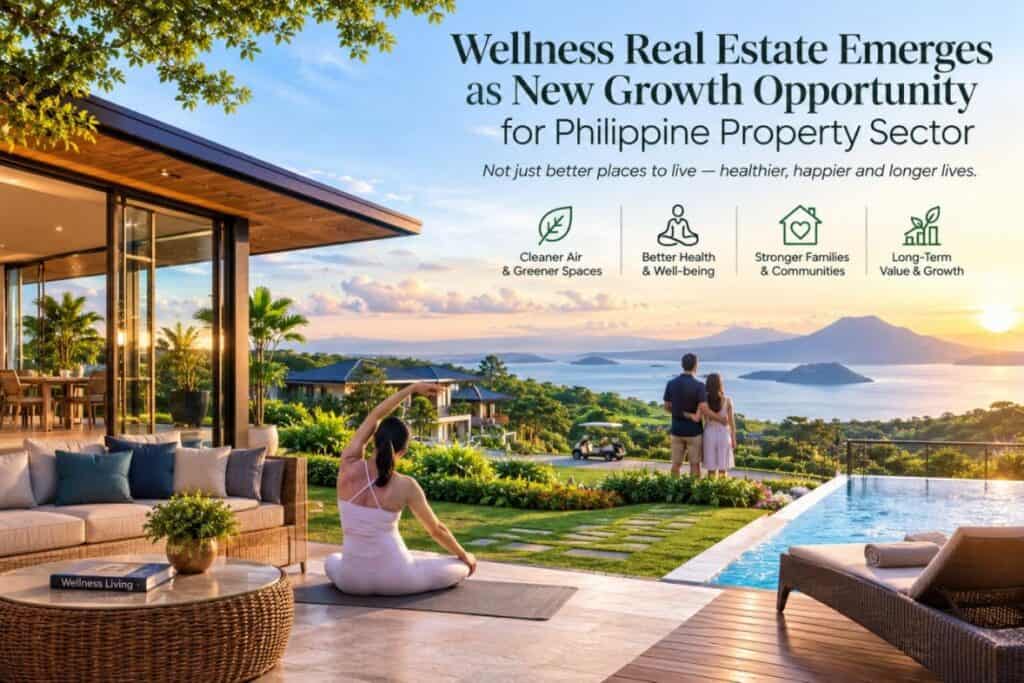
Real estate professionals remain largely unfamiliar with wellness real estate, one of the fastest-growing segments of the global wellness economy, industry observers said during a recent conference in Metro Manila.
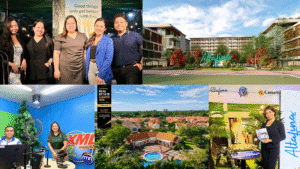
The RGS Real Estate Conference gathered nearly 200 of Metro Manila’s top-performing brokers and heads of several international realty companies to discuss emerging trends in the property sector.
During a presentation on the category, real estate industry veteran Alejandro Mañalac asked participants how many had previously heard of wellness real estate. Only a small number raised their hands, underscoring the low awareness of the sector in the local property market.
The category has expanded rapidly worldwide even as local awareness lags. The Global Wellness Institute said the global wellness real estate market reached about $876 billion in 2025 and is projected to nearly double to $1.8 trillion by 2030. Asia-Pacific has emerged as the largest regional market for the sector.
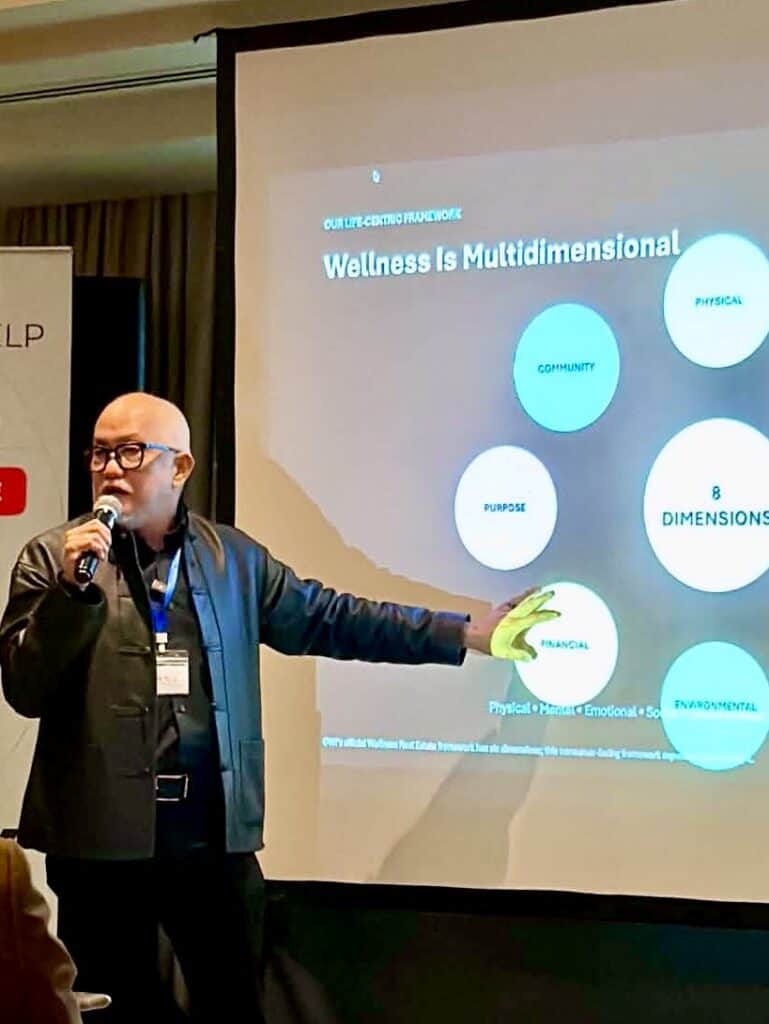
Havitas Developments chairman and co-founder Alejandro Mañalac told brokers that the concept should not be confused with simply adding wellness-themed amenities such as gyms, spas, meditation rooms or yoga decks to residential developments. Wellness real estate instead considers how homes, buildings and communities can be intentionally planned, designed and operated to support the overall wellbeing of residents.
Considerations under the category include access to nature, air and water quality, natural light, opportunities for physical activity, restorative spaces, social interaction, family relationships, financial wellbeing and stronger connections to the surrounding community.
The trend reflects a broader shift in how consumers evaluate property. Traditional real estate decisions have largely centered on location, price, size and investment potential. Wellness-oriented developments introduce another factor: how living spaces affect the quality of residents’ lives.
Mañalac sees significant potential for the Philippines as wellness increasingly intersects with real estate, hospitality, domestic tourism, vacation-home ownership and changing lifestyle preferences. The opportunity is particularly relevant as Filipino consumers increasingly seek destinations outside congested urban centers where they can reconnect with nature, spend time with family and pursue healthier lifestyles.
Mañalac has been studying developments in the global wellness real estate sector and exploring how its principles can be adapted to Philippine conditions. His team has translated that research into development projects under the Havitas Wellness Real Estate Collection, incorporating wellness considerations into the planning and experience of residential and leisure properties.
The low awareness observed at the RGS gathering suggests wellness real estate remains at an early stage in the Philippines. For brokers, developers and investors, that gap could represent an opportunity to understand an emerging category before it becomes mainstream.
Mañalac said the future of property may increasingly be defined not only by where people live but by how they live.
The article was originally published in Manila Standard.
If you like this article, share it on social media by clicking any of the icons below.
About Post Author


More Stories
Camella Honors GenSan Heritage and Homegrown Spirit at Tuna Festival 2026
Gabriel Formoso named National Artist for Architecture
Makati: The city that is learning to walk again