

The return of Mandarin Oriental to Makati later this year marks more than the reopening of a luxury hotel brand in the Philippine capital. It signals another milestone in the continuing transformation of the country’s premier business district, where hospitality, lifestyle and urban development are increasingly intertwined.
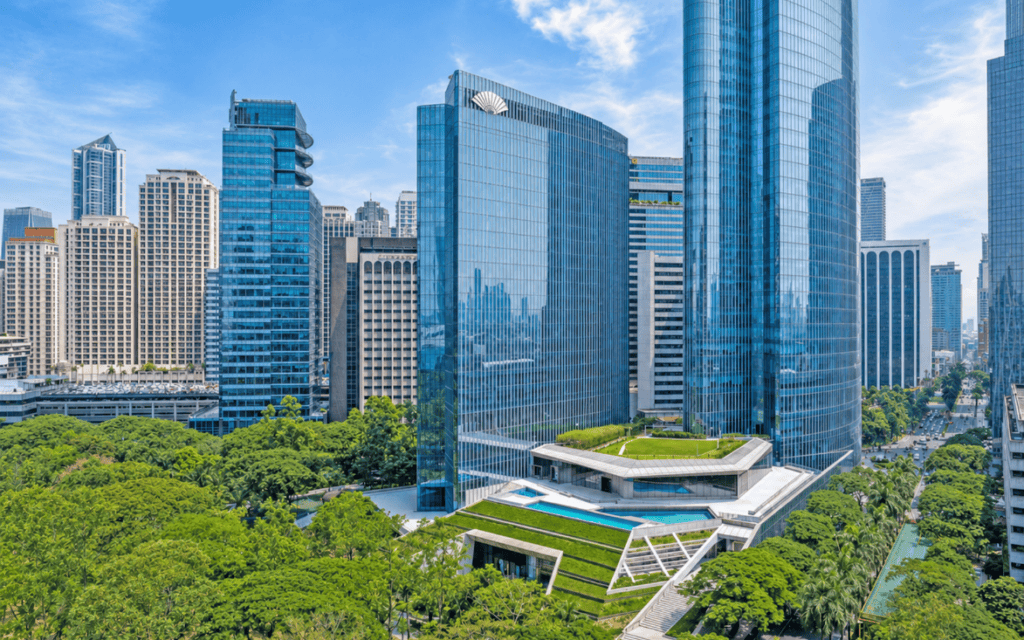
Set to open on Dec. 14, 2026, Mandarin Oriental Makati, Manila will rise above Ayala Triangle Gardens, occupying one of the most prominent addresses in the Makati central business district. Developed in partnership with Ayala Land, the hotel is expected to reinforce Makati’s standing as a leading destination for business travelers, tourists and upscale leisure guests.
For many Filipinos, the Mandarin Oriental name carries a sense of familiarity. The original Mandarin Oriental Manila operated from 1976 until 2014 and was long regarded as one of the capital’s most recognizable hotels, hosting business leaders, diplomats and visiting dignitaries through the decades.
Its return comes at a time when Makati continues to reinvent itself through new mixed-use developments, upgraded public spaces and a growing emphasis on creating a vibrant live-work-play environment.
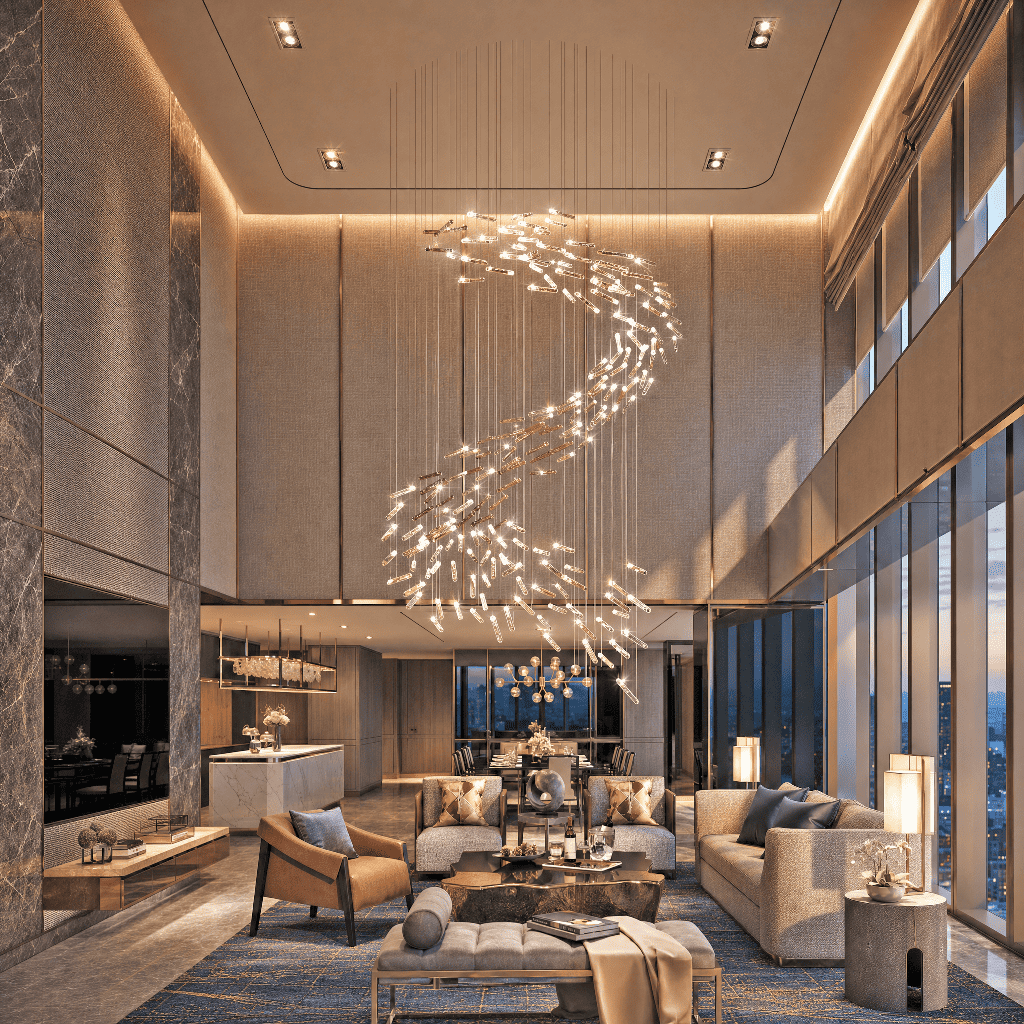
“Mandarin Oriental has long held a special place in the story of Makati,” Ayala Land creative director Paloma Urquijo Zobel de Ayala said.
“Its return reflects not only reflects the enduring appeal also our visions of creating a world-class city destinations that celebrate Filipino culture and foster meaningful connections,” she added.
A luxury hotel shaped by place and culture
The new hotel will occupy a strategic location beside Ayala Triangle Gardens, placing guests within walking distance of Greenbelt, major office towers, cultural venues and some of the city’s most established dining destinations.
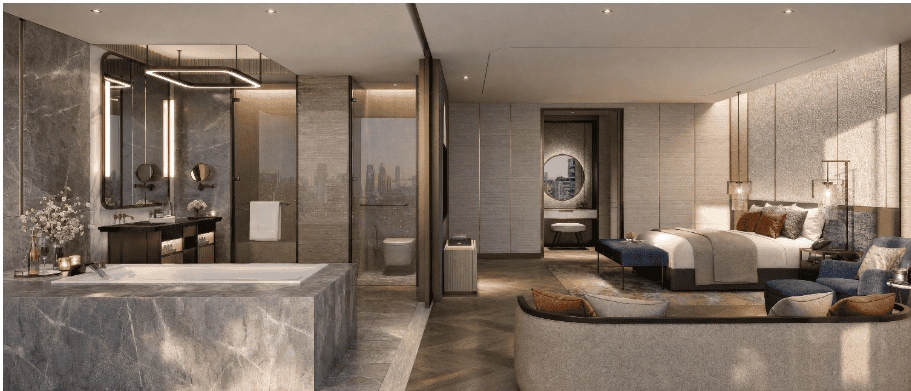
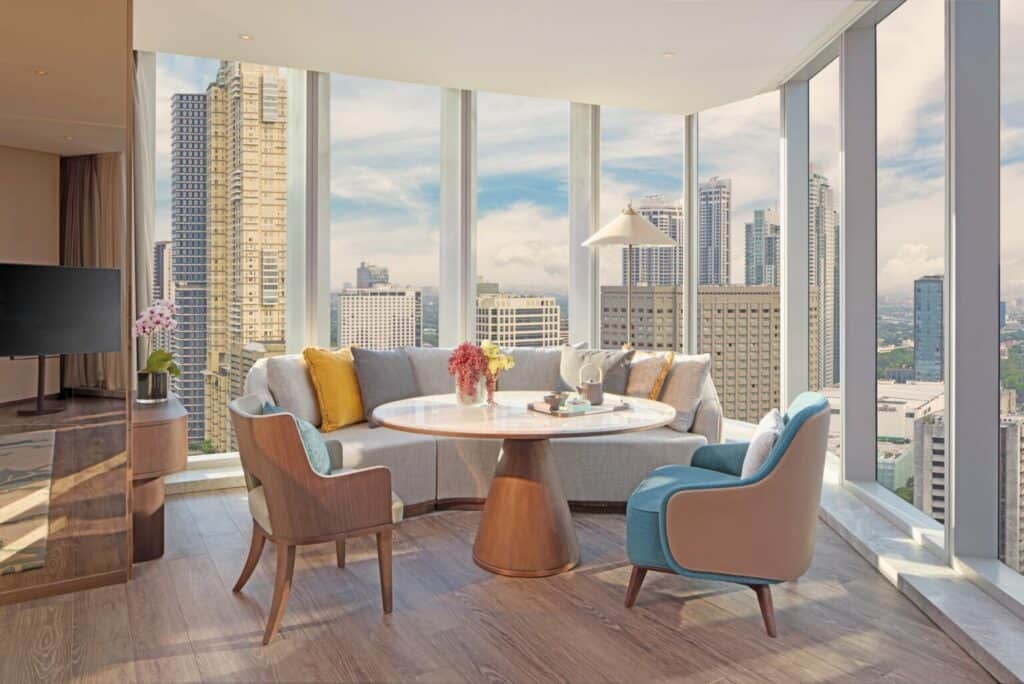
With 275 guestrooms and suites, the property is designed to cater to both international visitors and local staycation guests. Deluxe rooms will start at 50 square meters, with rates beginning at around P29,000 per night. Selected accommodations will offer access to the Mandarin Oriental Club Lounge and 24-hour butler service.
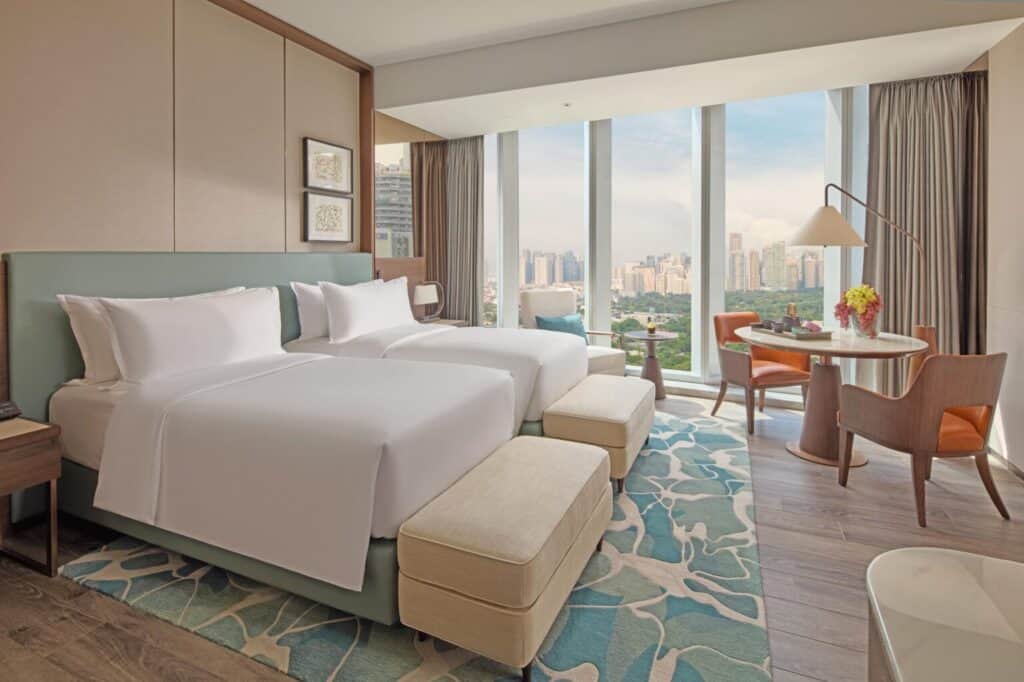
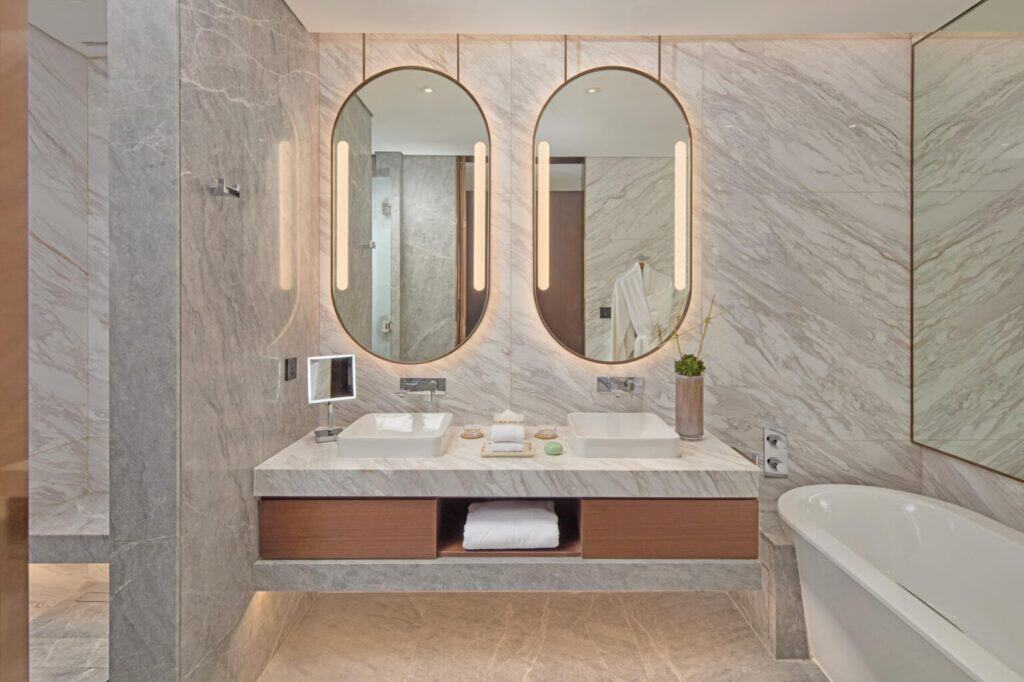
The interiors draw heavily from local influences, incorporating natural materials, warm wood finishes and handcrafted details sourced from Filipino artisans. The design approach reflects a broader trend in luxury hospitality, where global brands are increasingly highlighting local culture and craftsmanship as part of the guest experience.
Dining will play a key role in the hotel’s offering, with five restaurant and bar concepts featuring Filipino, Cantonese and international cuisine. Another highlight is the 800-square-meter wellness floor overlooking the park, complete with a spa, fitness center, yoga spaces and a 25-meter outdoor swimming pool. Wellness treatments will incorporate traditional Filipino healing practices such as hilot and the use of indigenous botanicals.
Makati’s hospitality
The property is also expected to become a major venue for corporate functions, weddings and social events. Its 740-square-meter Grand Hall can accommodate up to 1,000 guests and will be complemented by meeting rooms, boardrooms and flexible event spaces.
The opening reflects the continued confidence of developers and global hotel operators in Makati’s long-term prospects. Despite the rise of newer business districts across Metro Manila, Makati remains one of the country’s most established commercial centers, supported by a mature office market, extensive retail offerings and a highly walkable urban environment.
For Ayala Land, the return of Mandarin Oriental adds another premium component to its flagship estate. For Makati, it represents the revival of a familiar name while introducing a new luxury destination designed for a new generation of travelers.
The article was originally published in Manila Standard and written by Jenniffer B. Austria.
If you like this article, share it on social media by clicking any of the icons below.
About Post Author





More Stories
Vista Residences Ready-to-Move Deals: High-Rise Homes for RFO Buyers and Investors
Developer financing props up condo market, analysts say
Anko boosts presence in local retail sector